New Report: Strengthening the UK's Forced Labour and Human Rights Legislative Framework
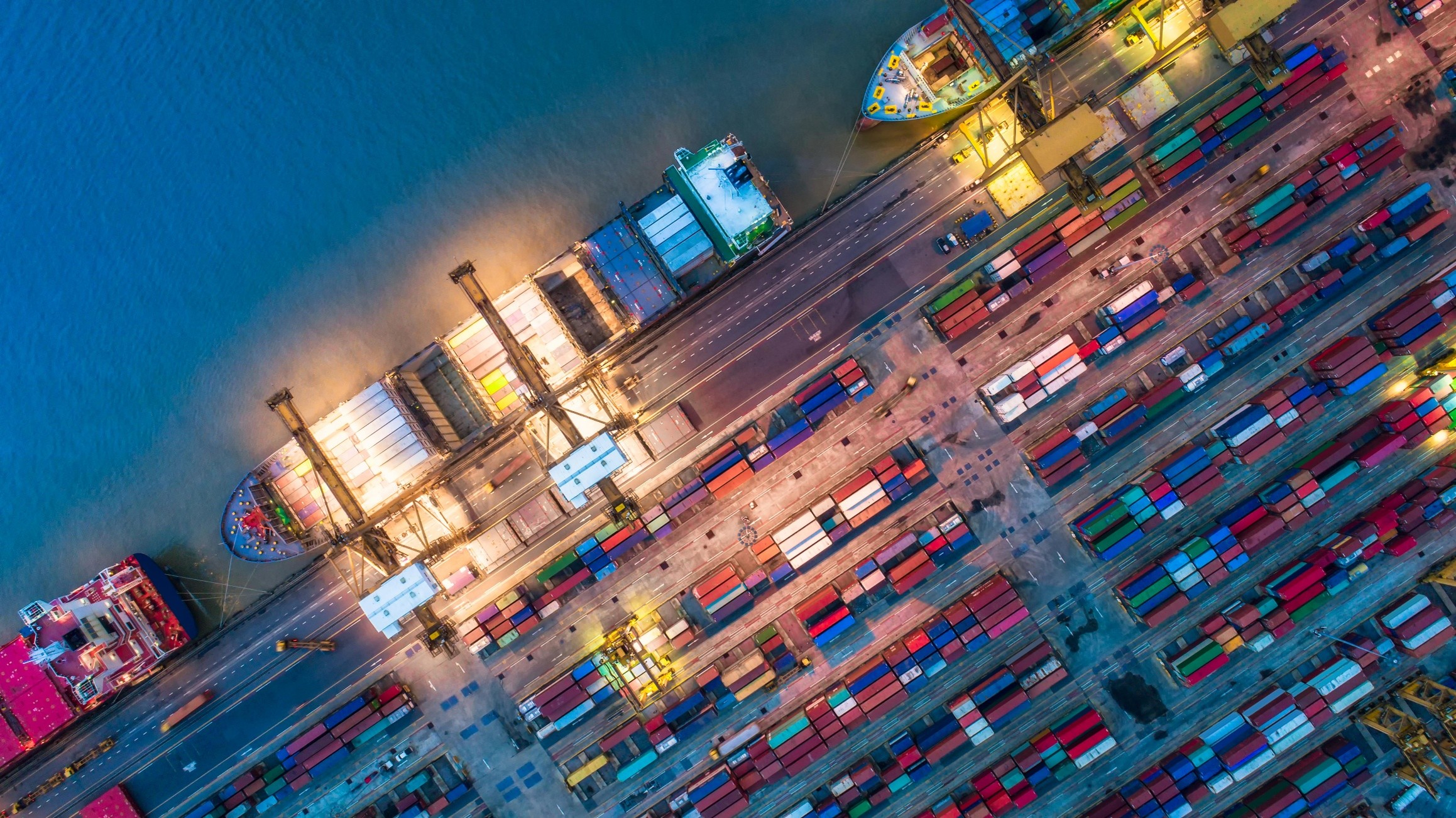
Across supply chains, factory floors, and shipping lanes, one truth is becoming impossible to ignore, human rights abuses are not distant tragedies. They are woven into the global economy and too often into the clothes we buy, the food on our shelves, and the services we rely on.
Labour exploitation is blighting our global value chains, with over 27 million adults and children worldwide trapped in forced labour. As a survivor so eloquently outlines in this report, exploitation has a horrendous impact on lives.
That is why as Independent Anti-Slavery Commissioner I have spent the last year looking at what change is needed to better protect workers, provide clarity for businesses looking to end forced labour in their value chains and do the right thing, and enable economic growth free from exploitation.
From engagement with SMEs, FTSE100, civil society, trade unions and survivors a solution has become clear – the UK needs new legislation to tackle forced labour. A law that would introduce a liability for failing to prevent serious human rights harms where an organisation has not taken reasonable measures to prevent these harms.
In partnership with Omnia Strategy LLP and Unseen, we have worked to produce ‘Model Legislative Drafting’ for the Government to adopt in the next King’s Speech. It proposes a clear, consistent UK-wide approach. It will give the Government powers to ban products tainted with forced labour from the UK and restrict imports from high-risk regions.
This is needed now. Whilst the UK was world-leading a decade ago with the landmark Modern Slavery Act 2015 in tackling transparency in supply chains, we have not kept pace with global change. In the last few years, our international partners have acted. From America to the EU, our partners have introduced laws to stop goods made with forced labour entering their markets.
They were right to do so.
Goods tainted by forced labour undercut businesses who do the right thing. The UK imports approximately £20 billion worth of goods each year that are at risk of being produced through forced labour. As other countries’ laws come into effect this figure will increase as the UK becomes a dumping ground for the goods which were blocked by others. It will leave British businesses exposed, undercut by rivals cutting corners on human rights, with disastrous effect.
British businesses are already navigating the complex patchwork of disjointed laws in the UK that set competing standards for tackling forced labour in different sectors. These laws create confusion across the public and private sector, NHS and energy market. The inconsistency is bad for growth, fails to protect good businesses and allows bad actors to flourish.
That is why we need change in the UK. We need new legislation to align with international partners, protect businesses and promote economic growth. We need a level playing field to ensure growth is driven by innovation, not exploitation. We need to ensure that the UK does not fall any further behind.
The public want this change. They want certainty, as consumers, that they can trust that they are not buying something that is made through the use of child or forced labour. Polling carried out for this proposal shows that 92% of the British public think it is important to protect UK businesses from being undercut by imports produced using forced or child labour. The public want the Government to act. 79% of the public want new laws to stop goods made with forced labour entering our market.
Now is the moment for the Government to deliver and introduce the new legislation included in this proposal. The voices of those with lived experience must be included in this process, their expertise is vital in preventing and ending exploitation. There is an opportunity to stand firm against exploitation, promote economic growth, and show leadership. This legislation is needed. It will enable economic growth, support business, and prevent us becoming a market for the world’s unwanted goods.
You can read the full report here.
Updates on X
Updates on LinkedIn