
Behind Sport's Biggest Spectacle: The Hidden Risk of Exploitation at Major Events
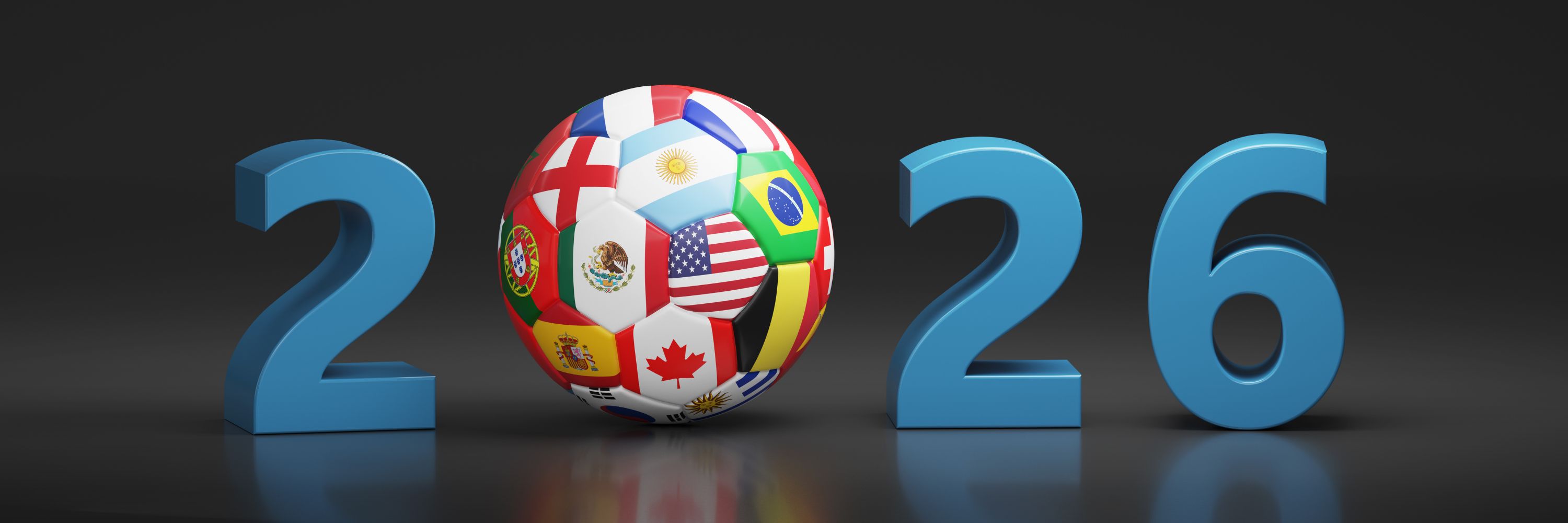
The eyes of the world are fixed on football's greatest spectacle – the FIFA World Cup.
Billed as the biggest show on earth, more than five million fans are expected to attend 104 matches across the United States, Canada and Mexico, while the global audience is forecast to exceed six billion people.
But behind the packed stadiums, television cameras and global celebrations lies a less visible risk: the exploitation of the very people who help make the tournament possible.
A tournament of this scale depends on hundreds of thousands of workers across construction, hospitality, transport, cleaning, catering and accommodation. And when demand surges, so too can the opportunities for exploiters looking to profit from it.
This does not mean the World Cup automatically causes modern slavery or human trafficking. But major events can create conditions that make exploitation easier to hide, particularly when recruitment, oversight and safeguarding fail to keep pace with demand.
The World Cup is exactly the kind of event highlighted in our recent report, Anticipating Exploitation. The report identified "demand shock exploitation" as one of 21 emerging threats, warning that sudden surges in demand for workers, accommodation and services can create opportunities for exploiters when safeguards fail to keep pace. Major sporting, cultural and entertainment events provide a real-world example of how these pressures can emerge in practice.
Someone must build the venues. Clean the hotel rooms. Serve the food. Drive visitors around host cities. Provide security. Delivering an event on this scale requires huge numbers of workers. When recruitment happens at speed, especially through subcontractors and labour providers, the risks can increase. These include recruitment fees, wage theft, unsafe conditions and poor worker protections.
There are also concerns around sexual exploitation. The picture is more complicated than some headlines suggest. Major events do not always lead to measurable increases in trafficking, but exploiters may adapt to expected demand. They may move victims, use short-term accommodation, change online advertising or target busy visitor areas. Victims do not simply appear where they are exploited. They are often moved, transported and hidden in plain sight. That means hotels, taxis, trains, airports and rideshare services can all become places where the warning signs of exploitation are spotted – or missed.
The answer is not panic. It's preparation.
Event organisers, governments and businesses should always be building safeguarding into every stage of major events, from planning and procurement to delivery and evaluation. This means:
-
-
-
-
-
-
-
- Ethical recruitment
- Monitoring labour conditions
- Stronger supply chain due diligence
- Training frontline staff
- Clear reporting routes
- Survivor-centred support.
-
-
-
-
-
-
The good news is that major events can also be part of the solution.
Few platforms command the attention of the FIFA World Cup. That visibility creates a unique opportunity to raise awareness, train frontline workers, strengthen partnerships and encourage people to recognise the signs of exploitation – helping to protect those most at risk of harm.
The challenge is not simply responding to exploitation when it occurs. It is anticipating the risks before harm happens.
That is why the Independent Anti-Slavery Commissioner is supporting the North America 2026 campaign led by the charity It's a Penalty. The campaign uses the global platform of the FIFA World Cup to raise awareness of human trafficking and exploitation, help the public recognise warning signs, and encourage reporting. By harnessing the reach and influence of one of the world's biggest sporting events, it demonstrates how major tournaments can become part of the solution, not simply a source of risk.
Major events are rightly remembered for what happens in front of the crowds. But they can also lead the way in protecting the people who make them possible, and in shining a light on the global scourge of modern slavery and human trafficking. They have the power not only to inspire audiences, but also to raise awareness, drive action and strengthen efforts to prevent exploitation wherever it occurs.
To explore these issues in more detail, read the Independent Anti-Slavery Commissioner's accompanying Spotlight paper, Major Sporting and Entertainment Events: Pressure Points for Exploitation. The paper examines the evidence on labour exploitation, sexual exploitation and prevention measures associated with major events, and considers how governments, businesses and organisers can better anticipate and address exploitation risks.